
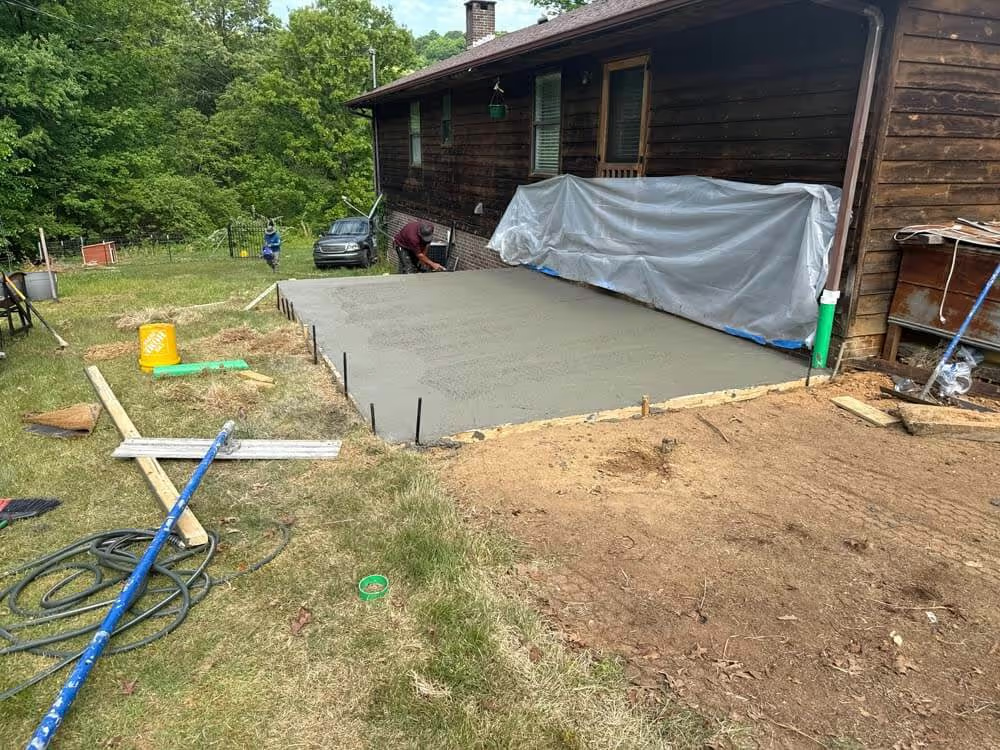
Concrete vs. Asphalt Driveways: Which Is Better?
Compare concrete and asphalt driveways by durability, maintenance, appearance, lifespan, and long-term value to choose the right option for your East Tennessee home.
📖 9 min read • Updated August 2026 • East Tennessee
Concrete vs. Asphalt Driveways: Which Is Better?
Choosing the right driveway material is an important decision for any homeowner. Concrete and asphalt are two of the most common residential driveway options, but they differ in durability, maintenance, appearance, and long-term performance.
If you're deciding between a concrete driveway and an asphalt driveway for your East Tennessee home, understanding the advantages and limitations of each material can help you make a more informed investment.
Concrete vs. Asphalt: What's the Difference?
Both concrete and asphalt can provide a durable surface for residential vehicles, but each material has different characteristics. Concrete is a rigid paving material known for its longevity, clean appearance, and design flexibility, while asphalt is a flexible pavement material that can provide a smooth driving surface and typically requires periodic maintenance.
The best choice depends on more than the material itself. Your property's soil conditions, drainage, grading, driveway size, expected traffic, maintenance preferences, and long-term goals should all be considered before installation.
- Concrete: Durable, long-lasting, and available in a variety of finishes and design options.
- Asphalt: Flexible, practical, and commonly used for residential and commercial driveways.
- Concrete: Generally requires less routine surface maintenance after proper installation.
- Asphalt: Typically requires periodic sealing and maintenance to protect the surface.
Both materials can perform well when they are installed over a properly prepared base with appropriate drainage and grading.
Which Driveway Material Lasts Longer?
Lifespan is one of the most important considerations when comparing concrete and asphalt driveways. A properly installed concrete driveway can provide decades of service, while a well-maintained asphalt driveway can also provide many years of reliable use.
Concrete is a rigid material, which means it responds differently to soil movement and temperature changes than asphalt. Asphalt is more flexible and can accommodate some movement, but its surface can require more frequent maintenance over time.
Installation quality plays a major role in the lifespan of either material. Proper grading, base preparation, drainage, reinforcement where appropriate, and correct installation practices can help prevent premature cracking, settlement, and surface deterioration. Learn more about how long a concrete driveway lasts.
Concrete vs. Asphalt Cost and Value
Initial installation cost is an important part of any driveway decision, but it should not be the only factor considered. The total cost of a driveway also includes maintenance, repairs, potential replacement, and the expected service life of the surface.
Asphalt may have a lower initial installation cost in some situations, but it generally requires periodic maintenance such as sealing. Concrete can have a higher upfront cost depending on the project, but its longer potential service life and lower routine maintenance requirements may provide strong long-term value.
Actual driveway pricing varies considerably based on square footage, excavation, grading, soil conditions, drainage requirements, access, site preparation, material selection, and project complexity. A professional evaluation is the best way to determine the appropriate solution and project cost for your property.
Driveway Maintenance: Concrete vs. Asphalt
Every driveway benefits from routine care, but the maintenance requirements differ between concrete and asphalt.
- Concrete should be kept clean and inspected periodically for cracks, surface deterioration, and drainage issues.
- Asphalt typically benefits from periodic sealing to help protect the surface from moisture, weather, and everyday wear.
- Water should not be allowed to consistently pool on or beside either type of driveway.
- Cracks and drainage problems should be addressed before they develop into larger structural issues.
- Heavy vehicles and repeated loads can accelerate deterioration when the driveway or base was not designed for them.
Poor drainage can affect both surfaces. Learn more about the signs of yard drainage problems before standing water contributes to a larger driveway issue.
Which Looks Better: Concrete or Asphalt?
Appearance is another factor that can influence your decision. Concrete provides a clean, light-colored surface and can be customized through different finishes, textures, borders, and decorative options.
Asphalt has a darker, more uniform appearance that works well with many residential properties. Its appearance can also change as the surface ages and is exposed to weather and vehicle traffic.
For homeowners who prioritize design flexibility and curb appeal, concrete can offer more opportunities to coordinate the driveway with the home's exterior, landscaping, walkways, and other hardscape features.
Don't Overlook Drainage and Site Conditions
The material you choose is only one part of a successful driveway project. Water management and site preparation can have a major effect on how the finished driveway performs over time.
Poor grading can direct water toward the driveway or home instead of moving it safely away. Water that remains around the driveway can contribute to soil erosion, settlement, and damage to the pavement or concrete surface.
Appropriate storm water management may include French drains, surface drains, grading improvements, or broader storm water management when appropriate.
Common Driveway Mistakes to Avoid
Choosing the right material is important, but avoiding installation mistakes is equally important.
- Choosing a driveway material without evaluating the property's soil and drainage conditions.
- Focusing only on the initial installation price instead of considering long-term maintenance and lifespan.
- Failing to establish proper grading before installation.
- Installing over an inadequate or poorly prepared base.
- Ignoring water that repeatedly pools around the driveway.
- Choosing a contractor based solely on price without considering experience and installation quality.
So, Which Driveway Material Is Right for Your Home?
There is no universal answer for every property. Concrete may be the better choice for homeowners who prioritize long-term durability, low routine maintenance, design flexibility, and a clean appearance.
Asphalt may be a suitable option for homeowners who prefer a flexible pavement surface and are comfortable with its maintenance requirements and appearance.
The most important step is evaluating the property before selecting the material. A professional assessment can help identify grading, drainage, soil, access, and installation considerations that may affect the long-term performance of the driveway. Explore our concrete services and concrete driveway services in Cleveland, TN to learn more about the right solution for your property.
Why Choose Dry Ground Pros?
A successful driveway project requires more than installing a surface. The underlying site conditions, drainage, grading, and preparation all contribute to the finished result.
Dry Ground Pros approaches outdoor construction projects with the property's overall performance in mind. From concrete work to drainage and storm water management, our services are designed to address the conditions that affect your property's durability and usability.
- Professional concrete and property improvement services.
- Attention to grading, drainage, and site conditions.
- Solutions designed around the needs of your property.
- Service throughout Cleveland, Chattanooga, and surrounding East Tennessee communities.
Frequently Asked Questions
Is concrete or asphalt better for a driveway?
Neither material is best for every property. Concrete is often preferred for long-term durability, lower routine maintenance, and design flexibility, while asphalt may suit homeowners who prefer a flexible pavement surface and its maintenance requirements.
Which driveway material lasts longer, concrete or asphalt?
A properly installed concrete driveway generally has a longer potential service life, while a well-maintained asphalt driveway can also provide many years of reliable use. Site preparation, drainage, and maintenance affect both materials.
Is a concrete driveway more expensive than asphalt?
Concrete can have a higher upfront cost depending on the project, while asphalt may have a lower initial cost in some situations. Long-term value also depends on maintenance, repairs, and expected service life.
Does a concrete or asphalt driveway require more maintenance?
Asphalt typically requires more routine maintenance, including periodic sealing. Concrete should be kept clean and inspected for cracks, surface deterioration, and drainage issues.
Does drainage affect driveway lifespan?
Yes. Water that pools on or beside a driveway can contribute to soil erosion, settlement, and surface damage. Proper grading and drainage help protect either material.
What should I consider before choosing a driveway material?
Consider soil conditions, drainage, grading, driveway size, expected traffic, maintenance preferences, appearance, budget, and long-term goals before choosing a material.
Proudly Serving East Tennessee
Dry Ground Pros helps homeowners throughout Chattanooga, Cleveland, and surrounding East Tennessee communities plan durable driveways with site conditions, grading, and drainage in mind.
Need Help Choosing a Driveway Material?
Whether you're planning a new driveway or replacing an existing surface, Dry Ground Pros can help you evaluate the conditions that affect long-term durability, curb appeal, and everyday performance.
Hear It From Local Homeowners


Ralf and his team are real pros! Great communication throughout the entire process. Very reasonable pricing, but excellent work. Its hard to find great companies these days, im glad I found DGP. I highly recommend you give them a call for your drainage needs! Very happy with their work! Did all my work in 1 day!


Great to work with, quality work, takes time to listen and plan, very communicative.

Ralph with dry ground pros is the best you need storm water management and drainage at your home or business he should be your first call! Great personality and amazing attitude for business!

Ralf did a great job assessing what was needed, was very flexible and open to my suggestions, and his guys worked hard to make sure nothing was damaged and the work was impeccable.

They installed a French drain system and redirected the stormwater away from the house. The results were immediate — after the next big rain, not a single puddle. The team was professional, on time, and left the yard looking even better than before. It’s rare to find a business that combines great service with real expertise, but these guys nailed it.

Owner prides himself in providing customers the best service and experience.


Choose the Right Driveway for Your Property
The right driveway starts with the right material, proper site preparation, and effective drainage. If you're planning a new driveway or want an expert assessment of your property, Dry Ground Pros is here to help.